
Views: 0 Author: Site Editor Publish Time: 2025-10-22 Origin: Site


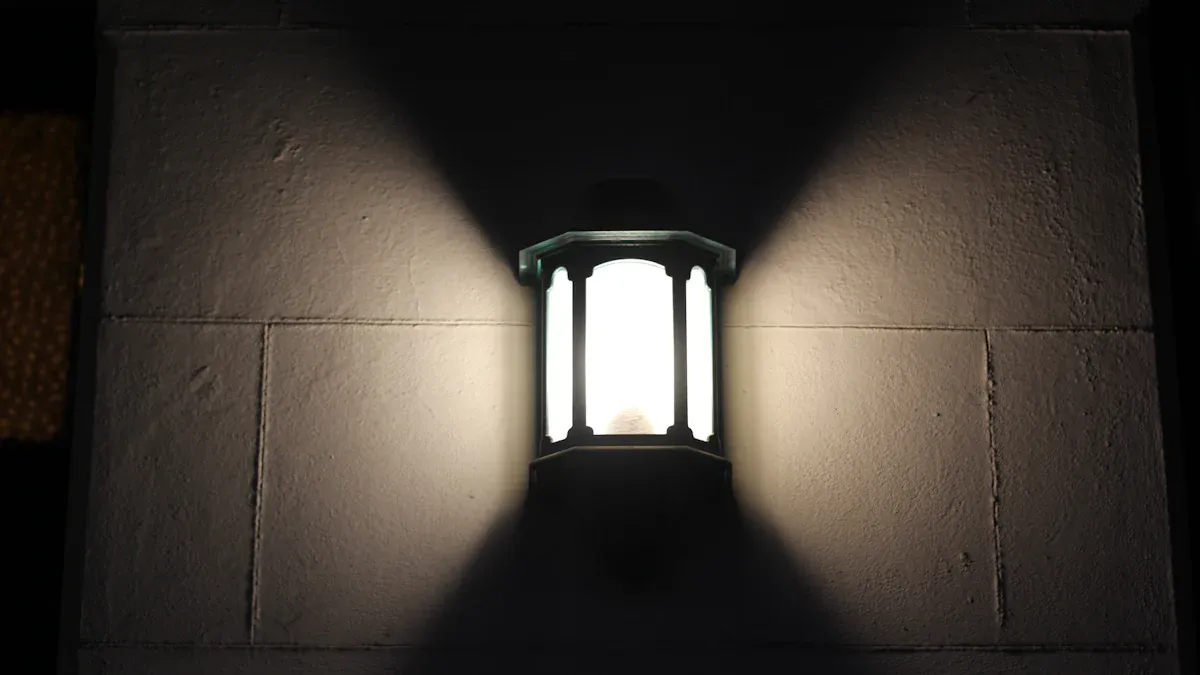
Have you ever wondered how easy it can be to light up your outdoor space without running wires? I used a solar wall light at my home and found it simple to install. Here’s why I chose it:
Saves money by using solar power instead of electricity.
Helps the environment with zero emissions.
Boosts safety by lighting up dark areas.
Offers adjustable brightness and motion sensors.
I’ll show you how to get started with basic tools and a few simple steps.
Choose a sunny location for your solar wall light. Aim for at least 6–8 hours of direct sunlight daily to ensure optimal charging.
Prepare the installation area by clearing debris and checking for obstacles. A clean and clear space helps the light function better.
Assemble the solar light according to the manufacturer's instructions. Charge it fully before mounting to enhance battery performance.
Securely mount the fixture and ensure it is level. A stable installation prevents accidents and ensures the light stays in place during bad weather.
Perform regular maintenance by cleaning the solar panels and checking the batteries. This keeps your lights bright and extends their lifespan.
When I started my solar wall light project, I wanted to make sure I had everything ready before I grabbed my drill. Let me walk you through the essentials, so you don’t have to run back and forth for missing items.
I found that having the right tools made the job much easier. Here’s what I used:
Drill and drill bits
Screwdriver
Level (to keep things straight)
Measuring tape
Pencil (for marking drill spots)
Tip: I always double-check my tool kit before starting. It saves time and frustration!
Safety matters, too. I wore gloves and safety glasses. If you’re using a ladder, make sure it’s stable. I avoid working in wet weather, since it can get slippery.
Most solar wall light kits come packed with everything you need for installation. Here’s what I found in my box:
Pole
Solar panel
Storage battery
Controller
Light fixture
Battery box
Foundation kit
Fasteners, cables, bolts, and nuts
I like to lay out all the pieces first. It helps me see if anything’s missing before I start.
Manufacturer | Warranty Period | Conditions |
|---|---|---|
Malatech Solar | N/A | Covers defects, requires proof of damage, and offers replacements for operational issues. |
Solera Solar Lighting | 3 to 5 years | Covers defects in material and workmanship, requires proper installation, and has specific claim procedures. |
Sometimes, I want my solar wall light to do more. Here are a few extras I consider:
Check if accessories match your light’s voltage and wattage.
Some add-ons install easily, but others might need a pro.
I invest in quality accessories for better performance.
I also look for motion sensors or smart controllers. These upgrades can make my outdoor lighting smarter and more efficient. If you want to get creative, try different mounting brackets or decorative covers. They can change the look and function of your solar wall light.
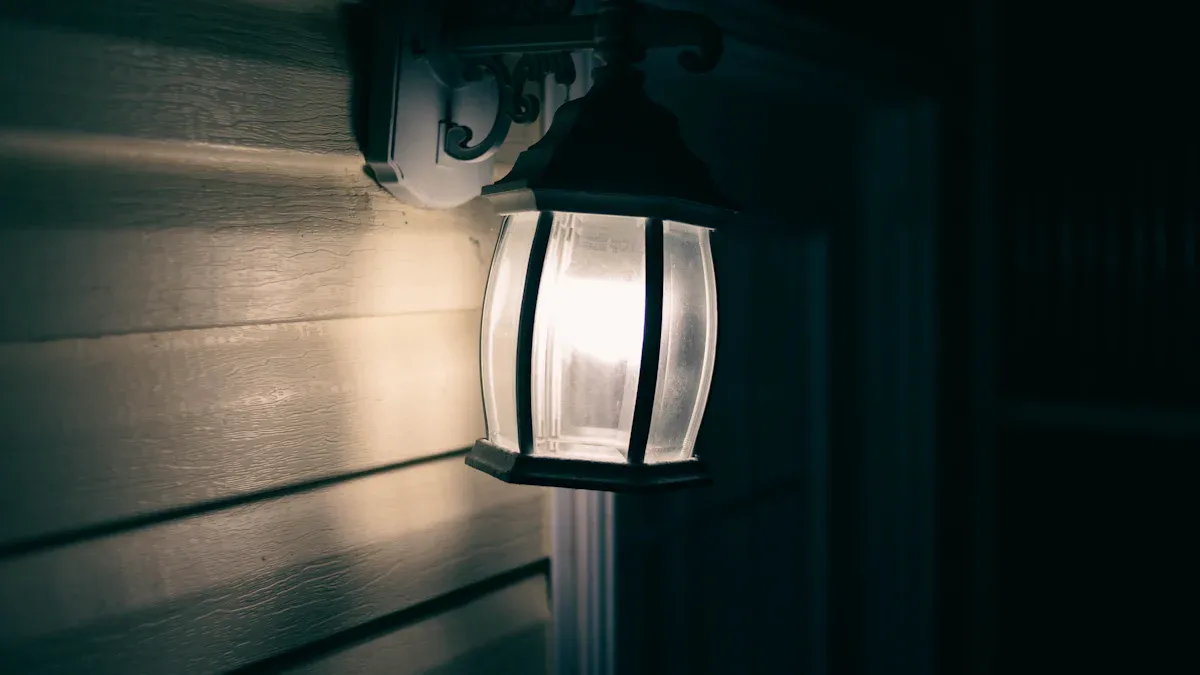
When I started determining the installation location for my solar wall light, I realized sunlight makes all the difference. I always look for a spot that gets at least 6–8 hours of direct sunlight each day. If trees or buildings cast shadows, the light might not charge well. I walk around my yard and watch how the sun moves. Sometimes, a spot looks sunny in the morning but gets shade in the afternoon. I avoid shaded areas because they can leave the battery empty by night.
Here’s what I check before picking a location:
The area gets direct sunlight for most of the day.
No big trees, fences, or overhangs block the sun.
The solar panel faces south (since I live in the Northern Hemisphere).
I can adjust the tilt of the panel if needed.
Tip: I use a compass app on my phone to find south. It helps me point the panel the right way for maximum sunlight.
I also space out my lights so every corner of my yard feels bright and safe. If I put them too close, I waste energy. If I put them too far apart, I get dark spots.
Safety comes first for me. I want my solar wall light to brighten walkways, entrances, and stairs. I pick a location that helps people see where they’re going. I also make sure the light covers any dark corners where someone could hide.
Here’s my quick safety checklist:
The light covers paths, doors, and steps.
I use sturdy brackets and screws to keep the fixture secure.
I check that the light sits flat against the wall, so no one trips.
I pick a spot that stands up to wind and rain.
Area | Why I Light It Up | Safety Benefit |
|---|---|---|
Walkways | Prevents trips | Safer steps at night |
Entrances | Lights up doorways | Easier to unlock doors |
Stairs | Shows each step clearly | Fewer accidents |
I check my lights after storms to make sure they stay tight. If I see any wobble, I fix it right away. I also choose lights built for tough weather, so I don’t worry when it rains or snows.
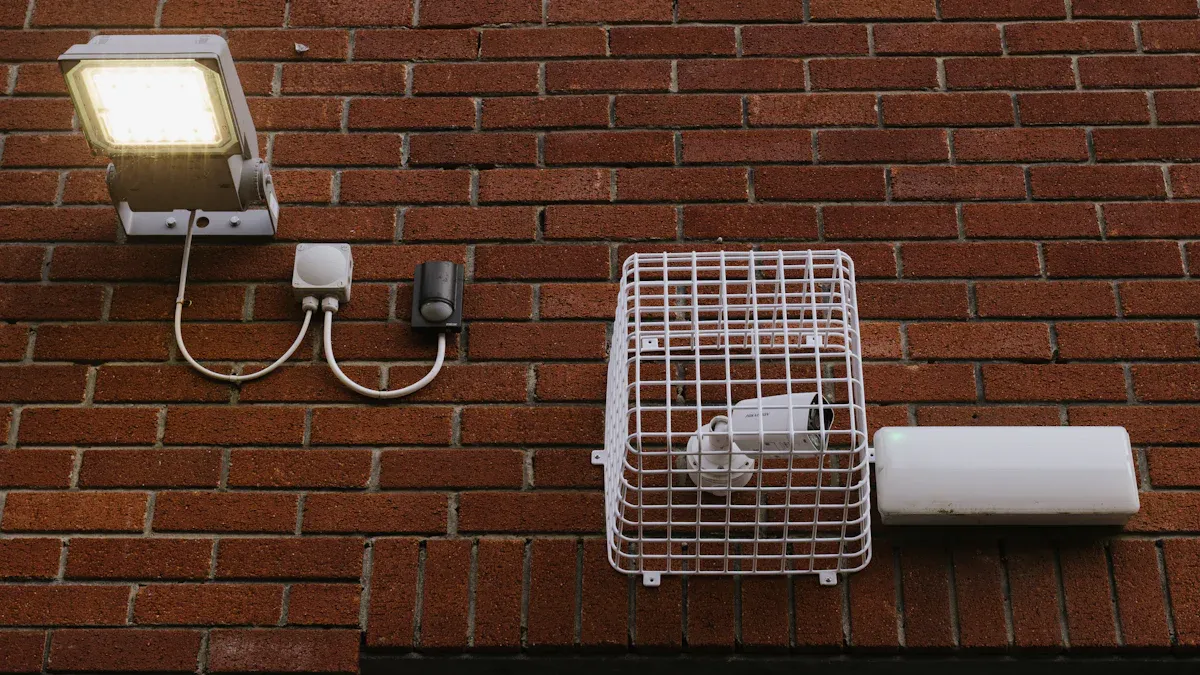
If you’re ready to install outdoor wall lights, I’ll walk you through my step-by-step guide. I learned a lot from my own diy solar lighting project, and I want to make sure you avoid common mistakes. Let’s get started!
Before I install any solar wall light, I always start by preparing the installation area. This step makes the whole process smoother and helps my diy project last longer.
I choose the best spot for my solar wall light. I look for a place that gets at least 6–8 hours of direct sunlight every day. I avoid shaded areas and spots under trees.
I clear away leaves, dirt, and debris from the wall. If the surface is uneven, I level it out or clean it with a damp cloth.
I check for any obstacles that might block sunlight or make installation tricky. Sometimes, I trim branches or move objects to get a clear space.
Tip: I always double-check the area at different times of day. Sunlight changes, and I want my solar wall light to charge well.
When I’m installing solar light fixtures, I follow the manufacturer’s instructions closely. Each solar wall light comes with its own assembly steps, but here’s what I usually do:
I lay out all the parts from the box. I match each piece to the guide.
I put the fixture together, making sure the solar panel is attached securely.
I place the assembled solar wall light outside in direct sunlight. I let it charge for a full day before mounting it. This first charge helps the battery work better and last longer.
Note: Skipping the charging step can lead to weak lighting at night. I always give my solar wall light plenty of time to soak up the sun.
Getting the mounting points right is key for a sturdy outdoor wall light fixture. I use a pencil and level to mark exactly where I want to install outdoor wall lights. The type of wall matters, so I pick the right drill bit.
Wall Material | Recommended Drill Bit | Key Techniques |
|---|---|---|
Drywall | Standard twist bit | Avoid studs, start slowly, increase speed gradually |
Plaster Walls | Masonry bit or carbide-tipped | Locate studs, steady drilling with a guide hole |
Brick or Concrete | Hammer drill with masonry bits | Apply consistent pressure, drill slowly |
Tile | Diamond-tipped bit | Mark spot, start at 45-degree angle, then 90-degree |
I measure twice and drill once. I make sure the holes line up with the fixture’s bracket. If I’m working with brick or concrete, I use a hammer drill and go slow to avoid cracking.
After drilling, I secure the solar wall light fixture to the wall. I use the screws and brackets from the kit. I tighten everything so the fixture sits flat and doesn’t wobble.
I check that the fixture is level.
I make sure all screws are tight.
I test the stability by gently tugging on the fixture.
Alert: Loose fixtures can fall or shift in bad weather. I always double-check before moving on.
Now comes the fun part—attaching and adjusting the solar wall light. I want my diy solar lighting to shine where I need it most.
I mount the solar wall light at a height of 5–7 feet. This height lights up a wide area and looks good on my outdoor wall.
I tilt the solar panel toward the sun. I avoid angles that let trees or buildings cast shadows.
I check for obstructions and adjust the angle if needed.
Here’s a quick checklist I use for optimal solar lighting installation:
Is the solar panel facing south (in the Northern Hemisphere)?
Does the fixture get direct sunlight most of the day?
Are there any shadows from nearby objects?
Is the fixture mounted securely and at the right height?
Tip: I test the light at dusk. If it doesn’t turn on, I clean the panel and check the battery connections.
I’ve made a few mistakes in my diy projects, so I want to help you steer clear of them:
Not reading the manufacturer’s instructions. I always check for recommended mounting height and angle.
Failing to secure the fixture. I make sure everything is tight and stable.
Forgetting regular maintenance. I clean the solar panels and check the batteries every few months.
If you run into problems, don’t worry. Sometimes, limited sunlight or old batteries can affect performance. I keep an eye on panel orientation and battery life to keep my outdoor wall light fixture shining bright.
When I plan my solar lighting installation, I think about choosing the right solar lights for my space. I look for models that fit my outdoor style and meet my brightness needs. I also consider energy consumption, especially if I want features like motion sensors.
With this step-by-step guide, you can install outdoor wall lights with confidence. I find diy solar lighting projects rewarding, and I love seeing my outdoor space light up at night.
I want my solar wall lights to last as long as possible. Regular maintenance keeps them shining bright and helps me avoid problems down the road. Here’s what I do to keep my outdoor solar lights working efficiently:
I clean the solar panels and covers with soapy water and a soft cloth. Dirt and dust block sunlight, so I make sure the panels stay clear.
I check the batteries and wires for corrosion. If I spot any damage, I replace the batteries or fix the wires.
I look at the location every few months. If a tree grows or something starts blocking the sun, I move the solar light to a better spot.
I keep the area around my fixtures free from leaves and debris. This helps the solar panel collect more energy.
In dry areas, I clean my solar panels every couple of months. If I live near the coast or get lots of rain, I clean them once or twice a year. The environment makes a big difference in how often I need to do this.
Most solar wall lights last between 3 to 5 years. Good maintenance helps me get the most out of my installation.
Even with careful installation, solar wall lights can run into problems. I’ve seen a few common issues pop up with outdoor fixtures. Here’s a table that breaks down what I’ve noticed and how I fix them:
Issue Type | Description |
|---|---|
Battery-related problems | Overcharging, overdischarging, or battery wear can cause weak or no light. |
Electrical connection issues | Loose or corroded wires make lights flicker or stop working. |
Environmental factors | Weather changes affect charging and performance. |
Dim or flickering lights | Not enough sunlight or battery trouble leads to poor lighting. |
Inconsistent light | Weather and battery health can make lights work sometimes and fail other times. |
When my solar wall light doesn’t turn on after installation, I follow these steps:
I inspect the wiring and connections. Frayed wires or corroded contacts need cleaning or repair.
I test the light sensor by covering it. If the light turns on, the sensor works. If not, I clean it or move the fixture.
I check the LED with a multimeter. If it’s burnt out, I replace it.
I make sure the battery is in the right way. Reversed batteries stop the circuit.
I reset the light by removing the battery for 30 seconds.
I use only rechargeable batteries that match the specs in the manual.
Sometimes, dirt on the sensor or bright artificial lights nearby can mess with the sensor. I clean the sensor and move the solar light if needed.
I keep these troubleshooting steps handy for every outdoor solar installation. They save me time and keep my lights working all year.
Installing a solar wall light is easier than you might think. Here’s how I do it:
Pick the best spot with lots of sunlight.
Prepare the area and clear away debris.
Assemble and charge the light.
Mount it securely and tilt the panel toward the sun.
Test the light at dusk.
Regular cleaning and battery checks keep my solar wall light shining bright. Got questions or tips? Drop them below—I’d love to hear your story!
Most solar wall lights last 3–5 years. I check the battery and panel every few months. Good care helps them shine longer. If the light dims, I usually replace the battery first.
Yes, I can install them on wood, brick, or concrete. I use the right drill bit for each surface. For brick or concrete, I grab a hammer drill. I always check the kit for proper screws.
They work in winter, but shorter days mean less charging. I clear snow or dirt from the panel. Sometimes, I move the light to a sunnier spot if it gets too shady.
I check the battery, clean the panel, and make sure nothing blocks the sensor. Sometimes, I reset the light by removing the battery for 30 seconds. If it still won’t work, I try a new battery.
Note: I only use rechargeable batteries. Regular batteries can damage the light or cause leaks. I always check the manual for the right battery type.


 English
